


sponsored
Meeting the Moment With Purpose
A polycrisis of numerous converging and intersecting trends is affecting every aspect of society, including philanthropy.

A polycrisis of numerous converging and intersecting trends is affecting every aspect of society, including philanthropy.

What an often-misunderstood part of Darwin’s theory of evolution can tell us about where philanthropy might be headed.

There are three generalized strategies policy makers may use to drive societal change. But, how are policy makers to decide what combination of these three tools will work to best manage the wildfire challenge?

The environmental devastation from glacial melt in Pakistan has far-reaching economic effects.
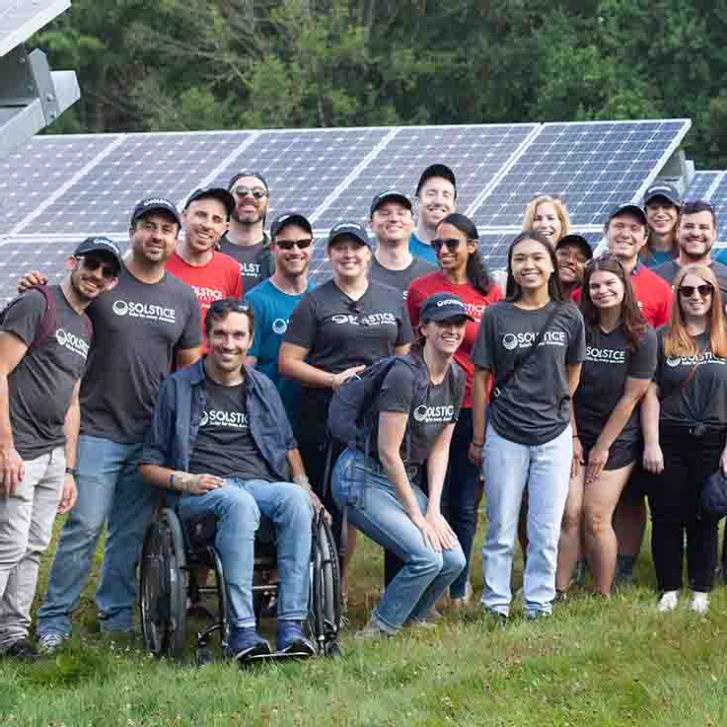
Community-focused entrepreneurs are using innovative business models and technology to make renewable energy and a healthy environment accessible to everyone.

How climate funding and policy exclude those who experience the worst effects of climate change, and how investing in smallholder farmers can help right the ship.
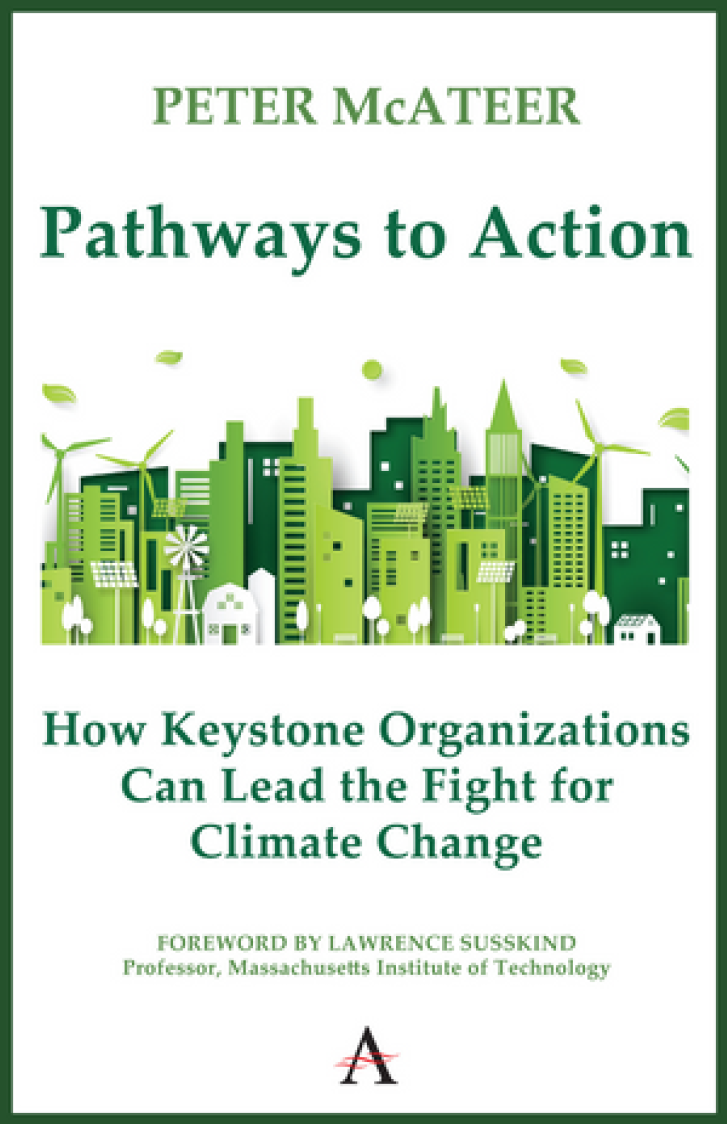
An excerpt from Pathways to Action on how market-leading organizations must take the lead in accelerating change.

Practical ways investors can help the people most affected by climate change become more resilient to it, while still securing a strong financial return.

To solve the housing crisis, funders must take collective action to simultaneously solve the climate crisis and prioritize those who have had the least to do with creating either.

How grassroots movements create durable and transformative impact.